Navigating Your Life (Micro)
The Tyranny of the Rate of Return

AFFILIATE DISCLOSURE:
This article contains affiliate links. We may receive a commission for purchases made through these links, at no extra cost to you. We only recommend products and services we believe will genuinely help you achieve your financial goals.
Discover how the rate of return influences your money decisions, shapes wealth inequality, and learn strategies to break free from its hidden tyranny.
Introduction: Why “The Rate of Return” Rules Your Financial Life
When most people think about wealth, they picture hard work, budgeting, and saving. But behind the scenes, a single force quietly dictates how money grows—and who benefits most: the rate of return.
Whether it’s the interest you earn in a savings account, the growth of your retirement fund, or the yield on real estate, the rate of return acts as a financial “gravity.” It pulls wealth upward toward those who already have more, while making it harder for the average saver to catch up.
In this article, we’ll break down:
-
What the rate of return really means (and why it matters more than you think).
-
How it fuels inequality and shapes global economics.
-
Practical steps to use it for your advantage instead of being trapped by it.
By the end, you’ll understand why experts call it “the tyranny of the rate of return”—and how you can navigate it with confidence.
What Is the Rate of Return? A Simple Definition
The rate of return (ROR) is the percentage gain or loss on an investment over time.
Example:
-
You invest $1,000 in a stock.
-
A year later, it’s worth $1,100.
-
Your rate of return = (Gain ÷ Original Investment) × 100 = 10%.
ROR can apply to:
-
Savings accounts (interest earned).
-
Bonds (yield).
-
Stocks (price gains + dividends).
-
Real estate (rental income + appreciation).
It seems simple—but its long-term impact is profound.
The Power (and Tyranny) of Compounding
Albert Einstein allegedly called compound interest the “eighth wonder of the world.” But compounding works very differently depending on what rate of return you start with.
Example: Two Savers Over 30 Years
-
Saver A: Invests $10,000 with a 4% annual return → ends with about $32,000.
-
Saver B: Invests $10,000 with an 8% annual return → ends with about $100,000.
Same effort. Same time. Different access to returns. The tyranny lies in the fact that higher rates of return are easier to access if you already have wealth—through hedge funds, private equity, or real estate deals unavailable to the average worker.
The Rate of Return and Wealth Inequality
One of the most famous works on this topic is Thomas Piketty’s Capital in the Twenty-First Century. His research highlighted the formula:
r > g
-
r = the rate of return on capital.
-
g = economic growth (wages, productivity, GDP).
When the rate of return on investments consistently outpaces wage growth, wealth naturally concentrates at the top.
This is why billionaires’ fortunes grow faster than the paychecks of everyday workers. Your salary might rise 3% a year, but their portfolio grows 8–12%.
To dive deeper into inequality and money systems, see our post: Who Really Owns the Central Banks?
Trending Question: Is Chasing High Returns Always Worth It?
“Should I chase a higher rate of return?”
Many people ask whether they should pursue risky investments for higher returns. Here’s the truth:
-
Higher returns = higher risk. Crypto, meme stocks, and speculative real estate can yield double-digit returns, but they also come with the risk of major losses.
-
Moderate, steady returns build lasting wealth. A balanced portfolio of stocks, bonds, and index funds may “only” return 6–8% annually, but over decades, this creates massive compounding power.
-
Behavior matters more than the product. Avoiding panic selling, staying invested, and consistently contributing often beats the “hot tip” approach.
How Policy Shapes the Rate of Return
The rate of return is not just about personal finance—it’s shaped by larger forces:
-
Federal Reserve policies (interest rates influence bond yields and savings rates).
-
Government programs (retirement tax incentives encourage stock market participation).
-
Inflation (real return = nominal return – inflation).
For a deeper dive, read: What the Fed’s Move Means for Your Wallet.
How to Use the Rate of Return to Your Advantage
You can’t change global wealth dynamics—but you can improve your personal strategy.
1. Focus on Real Returns
If inflation is 4% and your savings account pays 2%, your real rate of return is -2%. Always consider inflation-adjusted returns.
2. Prioritize Asset Classes with Proven Returns
-
Stocks: Historically ~7–10% per year.
-
Bonds: ~3–5%.
-
Real estate: Varies, but often competitive with stocks.
3. Reduce Fees and Expenses
Even a 1% fee eats away thousands over decades. Favor low-cost index funds (like Vanguard or Fidelity).
4. Diversify
Don’t rely on one rate of return. Balance risk and stability.
5. Invest Early and Consistently
Time in the market beats timing the market.
Case Study: Two Investors and the Tyranny of Return
-
Alex: Starts investing at 25, contributes $300/month at 7% → has ~$720,000 at age 60.
-
Jordan: Starts at 35 with the same contributions and return → has ~$340,000 at age 60.
The tyranny? Same habits, different starting points. Early exposure to higher returns matters.
Authoritative References
-
U.S. Securities and Exchange Commission (SEC): Compound Interest
-
National Bureau of Economic Research: Capital and Wealth Inequality
FAQs: The Rate of Return Explained
1. What is a good rate of return on investments?
Historically, 7–10% annually in stocks is considered strong.
2. How does inflation affect the rate of return?
It reduces your real return. If inflation = 5% and your return = 6%, your real return = 1%.
3. Why do the wealthy get higher rates of return?
They access private investments, have tax advantages, and can take more risks.
4. What is the average rate of return on a 401(k)?
Commonly cited averages fall in the range of 5% to 8% annually, assuming a balanced or moderate-risk portfolio (mix of stocks and bonds). Investopedia
5. Is the rate of return guaranteed?
No—returns vary based on risk, market, and time horizon.
6. Should I invest in bonds if they have a lower rate of return?
Yes, for stability. Bonds balance out volatile assets.
7. How can I improve my rate of return safely?
Focus on low-cost index funds, diversify, and start early.
8. What is the difference between nominal and real rate of return?
Nominal = raw return. Real = adjusted for inflation.
9. Does compounding make a big difference?
Yes, small differences in return lead to massive wealth gaps over decades.
10. Can I retire with a 4% rate of return?
Yes, but it requires larger savings contributions compared to someone earning 8%.
Conclusion: Don’t Be Ruled by the Tyranny of the Rate of Return
The rate of return shapes not just your personal wealth but the broader global economy. While you can’t control market dynamics or systemic inequality, you can control how you respond:
-
Start early.
-
Stay consistent.
-
Focus on real, inflation-adjusted returns.
-
Cut costs and fees.
By understanding and working with the forces of compounding, you’ll put yourself in the best position to thrive—even in a system where the rate of return seems stacked against you.
Affiliate Disclosure
Some links in this article may be affiliate links. If you click and make a purchase, TheMoneyQuestion.org may earn a commission at no additional cost to you. This content is for informational purposes only and is not a substitute for professional financial advice from a licensed advisor.
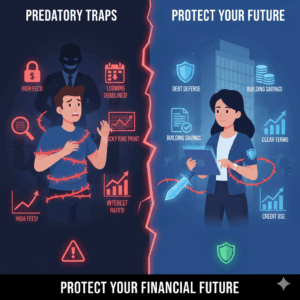
How to Spot Predatory Lending and Credit Traps: Protect Your Financial Future

Authoritative Sources
Editorial Disclosure: This article is for informational purposes only and does not constitute financial advice. Some links on this page may be affiliate links — if you click through and make a purchase or apply for a product, The Money Question may receive a commission at no additional cost to you. We only recommend products and services we believe provide genuine value. Always consult a qualified financial professional before making major financial decisions.
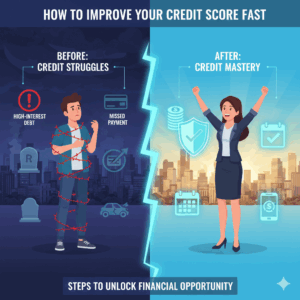
How to Improve Your Credit Score Fast (7 Proven Tips)

Authoritative Sources
Editorial Disclosure: This article is for informational purposes only and does not constitute financial advice. Some links on this page may be affiliate links — if you click through and make a purchase or apply for a product, The Money Question may receive a commission at no additional cost to you. We only recommend products and services we believe provide genuine value. Always consult a qualified financial professional before making major financial decisions.
How to Manage Your Debt Effectively


AFFILIATE DISCLOSURE:
This article contains affiliate links. We may receive a commission for purchases made through these links, at no extra cost to you. We only recommend products and services we believe will genuinely help you achieve your financial goals.
Learn actionable steps to manage your debt effectively and regain financial freedom. Discover proven strategies for everyday readers to take control of their money.
Introduction
Debt is a burden that many individuals carry throughout their lives, often feeling like a never-ending cycle. Whether it’s credit card debt, student loans, or personal loans, debt can take a toll on your mental and financial well-being. But it doesn’t have to be this way. With the right strategies, you can manage your debt effectively, regain control of your finances, and pave the way toward a debt-free life.
In this guide, we’ll walk you through the most actionable steps you can take to understand your debt, reduce it efficiently, and develop habits that will keep you debt-free in the future. By using these tips and taking a proactive approach, you’ll be empowered to take control of your financial life.
Why Debt Management Is Important
Before we delve into the strategies, it’s essential to understand why managing your debt is so important.
-
Improved Credit Score: Your credit score directly impacts your ability to borrow money, apply for loans, and even secure a rental property or job. Debt management can improve your credit score over time, making it easier to access financial opportunities. Check out our article How to Improve Your Credit Score Fast (7 Proven Tips).
-
Mental and Emotional Relief: Carrying debt can cause stress and anxiety, especially when it feels overwhelming. Learning how to manage debt can bring peace of mind and reduce financial anxiety.
-
Better Financial Opportunities: By reducing or eliminating debt, you create space for other financial goals like saving for retirement, buying a home, or traveling.
Understanding the impact of debt on your financial future is the first step toward managing it effectively. Now, let’s explore how you can start taking control.
Step 1: Understand Your Debt
The first step in managing debt is to get a complete picture of your financial obligations. This means taking stock of every debt you owe and understanding the details of each.
List All Your Debts
Start by creating a comprehensive list of all your debts. This includes:
-
Credit card balances
-
Student loans
-
Personal loans
-
Auto loans
-
Mortgage payments
-
Medical debt (if applicable)
For each debt, write down the following information:
-
Amount owed
-
Interest rate
-
Minimum monthly payment
-
Due dates
-
Creditor contact information
Creating a clear list of your debts will help you prioritize them and develop a strategy for repayment.
Evaluate the Impact of Interest Rates
Interest rates play a crucial role in debt repayment. The higher the interest rate, the more money you’ll pay over time. Credit card debt typically carries the highest interest rates, while student loans and mortgages usually have lower rates. Understanding how much interest you’re paying will help you prioritize which debts to focus on first.
Step 2: Categorize Your Debts
Once you have a complete list of your debts, it’s time to categorize them. Debt prioritization is crucial to paying off debt efficiently. Two popular strategies are the Debt Snowball Method and the Debt Avalanche Method.
The Debt Snowball Method
The Debt Snowball Method involves paying off your smallest debts first. By eliminating smaller debts quickly, you gain momentum and motivation to keep going. As you pay off smaller debts, you free up more money to apply to larger debts.
Example:
If you have a $500 credit card balance and a $5,000 car loan, focus on paying off the $500 credit card first. Once that’s paid off, apply the money you were paying toward the credit card to the car loan.
The Debt Avalanche Method
The Debt Avalanche Method is based on paying off your highest-interest debts first. While it may take longer to see progress with this method, you’ll save more money in the long run by tackling the debts that are costing you the most.
Example:
If your credit card has a 20% interest rate and your student loan has a 4% rate, pay off the credit card first to reduce the amount of interest you’re paying over time.
Both methods are effective, but the right choice depends on your personality and financial goals. If you need quick wins to stay motivated, the Debt Snowball may be best. However, if you’re focused on saving money on interest, the Debt Avalanche is more cost-effective.
Step 3: Create a Budget That Works for You
Creating a budget is a crucial step in managing debt effectively. A well-designed budget helps you track your income and expenses, enabling you to allocate more funds to debt repayment.
50/30/20 Rule
The 50/30/20 Rule is a simple budgeting framework that can guide your financial decisions:
-
50% Needs: Essential expenses like rent, utilities, groceries, and transportation.
-
30% Wants: Non-essential items such as entertainment, dining out, and hobbies.
-
20% Savings/Debt Repayment: This portion should be used to pay off debt and build savings.
When you allocate 20% of your income to debt repayment, you can make significant progress toward eliminating debt. If you can allocate more—say, 30% or 40%—you’ll reduce your debt even faster.
Track Your Spending
To make your budget effective, track your spending. Use a budgeting tool or app (such as YNAB) to categorize your expenses and identify areas where you can cut back. This will help you increase the portion of your income directed toward debt repayment.
Step 4: Cut Back on Unnecessary Expenses
One of the quickest ways to accelerate debt repayment is by cutting back on non-essential spending. This gives you more money to put toward your debt without needing to find extra income.
Smart Ways to Cut Back:
-
Cancel unused subscriptions: Evaluate your streaming services, gym memberships, and other subscriptions. Cancel anything you’re not using regularly.
-
Cook at home: Dining out can add up quickly. Try cooking at home more often to save money.
-
Shop smart: Use coupons, shop during sales, or buy secondhand to reduce your spending on clothing and household items.
Small changes can add up quickly, giving you more money to pay down your debt.
Step 5: Consider Debt Consolidation or Refinancing
If you have multiple high-interest debts, consider consolidating them into one loan or refinancing them to lower interest rates. This can make it easier to manage your payments and may save you money in interest.
Debt Consolidation
Debt consolidation involves taking out a new loan to pay off multiple existing debts. This can simplify your payments by combining them into one monthly payment. Additionally, it might offer a lower interest rate, which can help you save money.
-
Personal loans: You can take out a personal loan to consolidate your credit card debt and other loans.
-
Balance transfer credit cards: These cards allow you to transfer high-interest credit card debt to a card with a lower (or 0%) interest rate for an introductory period.
Refinancing
Refinancing involves replacing an existing loan with a new loan at a lower interest rate. You can refinance auto loans, student loans, and mortgages to reduce your interest rate and monthly payment.
Example:
Refinancing a mortgage with a lower interest rate can save you thousands of dollars over the life of the loan.
Before consolidating or refinancing, make sure to compare offers and consider any fees associated with these options. Consolidation and refinancing can be beneficial, but they must fit your financial situation.
Step 6: Build an Emergency Fund
An emergency fund is a financial cushion that can help you avoid further debt when unexpected expenses arise. Without an emergency fund, you might be forced to rely on credit cards or loans when life throws you a curveball.
How to Build an Emergency Fund:
-
Start small: Set a realistic goal, such as saving $500 or $1,000, and build from there.
-
Automatic transfers: Set up automatic transfers from your checking account to your savings account to make saving easier.
-
Prioritize your emergency fund: Treat building your emergency fund as a top priority, especially if you don’t have one yet.
An emergency fund will prevent you from adding to your debt in case of unforeseen circumstances, like medical bills, car repairs, or job loss. Check out our post How to Build an Emergency Fund – Even if You Are Struggling
Step 7: Avoid Accumulating More Debt
One of the most important steps in managing your debt is making sure you don’t accumulate more. Here are some strategies to avoid adding to your debt load:
-
Freeze your credit cards: If you tend to overspend, consider freezing your credit cards or leaving them at home to avoid impulse purchases.
-
Pay bills on time: Avoid late fees and penalties by paying your bills on time. Late payments can also negatively impact your credit score.
-
Live within your means: Focus on living below your means and avoiding unnecessary debt. Budgeting effectively and prioritizing your needs over wants can help you avoid the temptation to spend on non-essentials.
Trending Question: Should You Pay Off Debt or Save for Retirement First?
A common question many people have is whether they should focus on paying off debt or saving for retirement. While both are important, there’s a general guideline to follow:
-
Pay off high-interest debt first: Prioritize paying off high-interest debt, like credit card debt, before saving for retirement. The interest on high debt can accumulate faster than the gains from retirement savings.
-
Contribute to retirement savings: If you have employer-matched retirement contributions, aim to contribute at least enough to get the match. It’s essentially “free money.”
External Links:
-
-
National Foundation for Credit Counseling (NFCC) – A trusted resource for credit counseling and debt management advice.
-
Federal Trade Commission (FTC) Consumer Information – Offers valuable insights on managing debt and understanding consumer rights.
-
Conclusion
Managing your debt effectively doesn’t have to be a daunting task. By following the steps outlined in this guide, you can reduce your debt, improve your financial situation, and work toward financial freedom. Remember, the key is to take action and stay disciplined.
Start with understanding your debt, create a solid budget, and commit to making small changes that will add up over time. With persistence, you’ll be well on your way to a debt-free future.
FAQs
-
How can I pay off debt quickly without extra income?
-
Cut unnecessary expenses and allocate those savings to your debt repayment.
-
-
Is debt consolidation a good option for me?
-
Debt consolidation can simplify payments and lower interest rates, but make sure to compare offers carefully.
-
-
What’s the best method to pay off credit card debt?
-
Use the Debt Avalanche Method to tackle high-interest debt first, or the Debt Snowball for quick wins.
-
-
Should I invest while paying off debt?
-
Focus on paying off high-interest debt first, but consider contributing to retirement accounts if your employer offers matching funds.
-
-
Can I negotiate my credit card interest rate?
-
Yes, you can contact your credit card company to request a lower interest rate.
-
-
How much of my income should I use to pay off debt?
-
Aim to allocate at least 20% of your income to debt repayment.
-
-
How do I stay motivated to pay off debt?
-
Track your progress and celebrate small victories to stay motivated.
-
-
What should I do if I can’t make a debt payment?
-
Contact your creditor to negotiate a modified payment plan or deferment.
-
-
Can I pay off debt with a side job?
-
A side job can help increase your income and accelerate your debt repayment.
-
-
How do I prevent new debt from accumulating?
-
Stick to your budget, avoid impulse purchases, and live below your means.
-
Disclosure:
Authoritative Sources
Editorial Disclosure: This article is for informational purposes only and does not constitute financial advice. Some links on this page may be affiliate links — if you click through and make a purchase or apply for a product, The Money Question may receive a commission at no additional cost to you. We only recommend products and services we believe provide genuine value. Always consult a qualified financial professional before making major financial decisions.
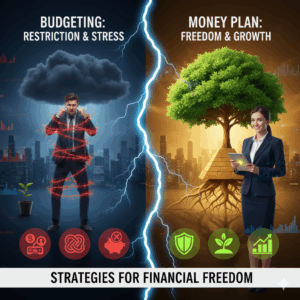
Why You Need a Money Plan (Not Just a Budget)

Authoritative Sources
Editorial Disclosure: This article is for informational purposes only and does not constitute financial advice. Some links on this page may be affiliate links — if you click through and make a purchase or apply for a product, The Money Question may receive a commission at no additional cost to you. We only recommend products and services we believe provide genuine value. Always consult a qualified financial professional before making major financial decisions.
Credit Cards: Tools or Traps? Here’s What You Need to Know

AFFILIATE DISCLOSURE:
This article contains affiliate links. We may receive a commission for purchases made through these links, at no extra cost to you. We only recommend products and services we believe will genuinely help you achieve your financial goals.
Are credit cards a tool for financial empowerment or a dangerous trap? Learn how to use credit wisely, avoid common pitfalls, and make the most of your credit cards.
Introduction
Credit cards: they’re often seen as an essential tool for managing personal finances, but they can also be a slippery slope if not handled properly. For many people, credit cards represent a powerful way to build credit, gain rewards, and increase purchasing flexibility. However, for others, they’re a source of financial stress, spiraling debt, and high-interest payments.
This article is designed to help you navigate the world of credit cards, separating fact from fiction and offering you the knowledge you need to decide if credit cards are a tool for financial empowerment or a trap to avoid. We’ll dive into the pros and cons, how to use them wisely, and provide practical tips that will make credit cards work for you—not against you.
By the end, you’ll have the tools to take control of your credit cards, avoid common pitfalls, and use them strategically to improve your financial situation.
What Are Credit Cards and How Do They Work?
Before we dive into the pros and cons, let’s first define what credit cards are and how they work. A credit card is essentially a line of credit offered by financial institutions that allows you to borrow funds to make purchases or withdraw cash up to a specified limit. You are required to repay the borrowed amount over time, typically with interest, if you don’t pay off your balance in full each month.
Key Terms to Know:
- Credit Limit: The maximum amount you can charge to your card.
- APR (Annual Percentage Rate): The interest rate applied to your outstanding balance. If you don’t pay off the balance in full, you’ll be charged interest on the remaining amount.
- Grace Period: A period (usually 20-25 days) where you can pay your bill without incurring interest charges, as long as the balance is paid in full.
Credit cards are one of the most common ways to borrow money, with both advantages and risks. Understanding how they work is crucial for making them a useful tool in your financial toolkit rather than a trap.
The Pros of Credit Cards: Tools for Building Financial Power
Credit cards can serve as powerful tools if used responsibly. Here are some of the benefits that come with using credit cards:
- Building Your Credit Score
One of the most significant benefits of credit cards is their ability to help you build and maintain a good credit score. Your credit score plays a key role in many financial decisions, including loan approval, rental agreements, and even job offers. By using your credit card responsibly—making payments on time, keeping your balance low, and maintaining a positive credit history—you can improve your score over time.
Pro Tip: The average age of your credit accounts and the credit utilization ratio (the amount of credit used vs. the available credit) make up a significant portion of your score. The more you manage these factors, the better your credit score will be.
- Convenience and Flexibility
Credit cards provide unmatched flexibility. They make it easy to make purchases both online and in-store without worrying about carrying cash. You can pay for items ranging from everyday essentials to larger purchases—such as electronics or vacation bookings—and then pay off your balance over time (ideally in full to avoid interest).
Moreover, most credit cards offer emergency purchasing power, allowing you to cover unexpected expenses when cash flow is tight. This could include medical emergencies, car repairs, or urgent travel needs.
- Rewards Programs and Cash Back
Credit cards often come with rewards programs that allow you to earn points, miles, or cash back for every purchase you make. Over time, these rewards can add up to significant savings or perks, such as free flights, hotel stays, or even gift cards. By choosing a card that aligns with your spending habits, you can maximize the rewards you earn.
For example, if you travel frequently, a rewards card that offers travel points might be more beneficial. If you spend a lot on groceries, a card that offers cashback on groceries can be a good fit.
- Purchase Protection and Travel Insurance
Another valuable feature of credit cards is the protection they offer. Many credit cards come with purchase protection, which covers you if an item is lost, damaged, or stolen within a certain time frame after purchase. Some cards also provide extended warranties, meaning the card issuer will extend the manufacturer’s warranty on eligible purchases.
Additionally, some credit cards offer travel insurance benefits, including coverage for trip cancellations, lost luggage, rental car accidents, and emergency medical expenses. This can be especially beneficial if you’re planning a trip and want extra peace of mind.
The Cons of Credit Cards: Traps That Can Lead to Debt
While credit cards have undeniable advantages, they also come with significant risks if not managed properly. Here are some common pitfalls:
- High-Interest Rates
Credit cards come with steep interest rates. If you don’t pay off your balance in full each month, you’ll be charged interest on the remaining balance. These interest rates can range from 15% to 25% or even higher, which means that any unpaid balance will quickly accumulate, making it harder to pay off the debt.
For example, if you carry a $1,000 balance at a 20% APR and make only the minimum payment, it could take years to pay off the debt—and you’ll end up paying far more than the original amount borrowed.
- Temptation to Overspend
One of the major dangers of credit cards is the temptation to overspend. With credit readily available, it’s easy to justify purchases that you can’t actually afford, especially with enticing credit card promotions that promise discounts or bonuses for spending. This mindset can lead to living beyond your means, creating a cycle of debt that’s hard to break.
- Negative Impact on Your Credit Score
Failure to pay your credit card bill on time or carrying high balances can damage your credit score. Late payments (especially those over 30 days) can stay on your credit report for up to seven years, negatively affecting your creditworthiness and your ability to secure future loans or credit.
Furthermore, carrying a high balance relative to your credit limit (a high credit utilization ratio) can lower your credit score. Experts recommend keeping your credit utilization under 30% to maintain a healthy score.
- Fees and Penalties
Credit cards come with various fees, some of which can be avoided and others that are difficult to escape. Common fees include annual fees, late payment fees, over-the-limit fees, and foreign transaction fees. If you’re not careful, these fees can quickly add up, adding to your financial burden.
Are Credit Cards Right for You?
Given both the benefits and risks, how do you determine whether credit cards are a good fit for your financial situation?
Consider Your Spending Habits
If you are disciplined and can pay off your balance in full each month, credit cards can be a great tool for building credit and earning rewards. On the other hand, if you tend to overspend or struggle to pay bills on time, credit cards might create more problems than solutions.
Do You Have a Budget?
Having a clear budget is essential if you plan to use credit cards effectively. A budget will help you monitor your spending, avoid excessive debt, and ensure that you’re living within your means. If you don’t have a budget yet, consider creating one before you start using credit cards extensively.
Trending Question: Should You Carry a Balance on Your Credit Card?
Answer: No, carrying a balance on your credit card is a costly habit. While credit cards allow you to borrow money, they’re designed for short-term borrowing. If you carry a balance from month to month, you’ll be charged interest, which can quickly add up. It’s always best to pay off your balance in full each month to avoid these extra costs.
Tips for Using Credit Cards Wisely
If you’re determined to use credit cards effectively, here are some tips to help you avoid common pitfalls and make the most of their benefits:
- Pay Off Your Balance Every Month
The best way to avoid paying interest on your purchases is to pay off your balance in full each month. This will help you keep costs down and maintain a positive credit score.
- Set Up Alerts and Reminders
Most credit card companies allow you to set up automatic reminders or alerts for due dates, spending limits, or payment confirmations. Use these features to stay on top of your payments and avoid missed deadlines.
- Monitor Your Spending
Credit cards can make it easy to forget about your spending habits. Keep track of your purchases by regularly reviewing your statements or using an app to help you stay within your budget.
- Choose the Right Card for Your Needs
When selecting a credit card, consider your spending habits. If you travel often, look for a card with travel rewards or benefits. If you want cash back, choose a card that offers cash-back rewards on your everyday purchases.
- Avoid Unnecessary Fees
Always read the fine print on your credit card agreement. Be aware of annual fees, foreign transaction fees, and other hidden charges that can sneak up on you. Opt for cards with no annual fees if you’re not looking for specific benefits.
Conclusion: Credit Cards — Tools or Traps?
Credit cards can be either tools for financial empowerment or traps that lead to debt if used recklessly. The key to making credit cards work for you is understanding their potential benefits and risks, and employing strategies to manage them responsibly. When used wisely, credit cards can help you build a strong credit score, earn rewards, and manage emergency expenses. However, failing to pay off your balance or overspending can result in high-interest debt that’s difficult to escape.
Ultimately, credit cards are a personal finance tool—how you use them determines whether they’re a helpful asset or a financial burden. With the right strategies, they can be a valuable ally in your financial journey.
Internal Link to Relevant Article from TheMoneyQuestion.org
- Understanding Money 101: Your Guide to Managing Finances With Confidence
This article covers the foundational knowledge of managing personal finances, including how to handle credit cards, savings, and budgeting, making it a great complement to understanding how to use credit cards wisely.
External References:
- Consumer Financial Protection Bureau (CFPB) – Managing Credit Cards
- National Foundation for Credit Counseling (NFCC) – Credit Card Debt Advice
Frequently Asked Questions
- What’s the best way to use a credit card without falling into debt?
Pay off your balance in full each month to avoid interest charges and stay within your credit limit. - How can I improve my credit score with a credit card?
Make timely payments, keep your credit utilization low, and avoid carrying a balance. - What happens if I miss a credit card payment?
Missing a payment can hurt your credit score and result in late fees and interest charges. - Is it better to use a credit card or debit card?
Credit cards offer better protection and can help build credit, but debit cards are safer for avoiding debt. - How can I avoid credit card debt?
Set a budget, monitor your spending, and pay off your balance in full each month. - Are rewards credit cards worth it?
If you can pay off your balance monthly, rewards credit cards can be beneficial, but avoid overspending just for rewards. - What’s the difference between a credit card and a charge card?
A charge card requires you to pay the full balance each month, while a credit card allows you to carry a balance and pay interest. - Can I transfer a balance from one credit card to another?
Yes, many cards offer balance transfers, which can help consolidate debt at a lower interest rate. - What should I do if I have high credit card debt?
Consider a balance transfer, seek financial advice, or create a repayment plan to tackle the debt. - How can I avoid credit card fees?
Pay on time, avoid going over your credit limit, and check for hidden fees in your card agreement.
Affiliate Disclosure
TheMoneyQuestion.org participates in affiliate marketing programs. This means that some of the links within this article may be affiliate links. If you click on these links and make a purchase, we may receive a small commission at no additional cost to you. We only recommend products or services that we believe will add value to our readers.
Authoritative Sources
Editorial Disclosure: This article is for informational purposes only and does not constitute financial advice. Some links on this page may be affiliate links — if you click through and make a purchase or apply for a product, The Money Question may receive a commission at no additional cost to you. We only recommend products and services we believe provide genuine value. Always consult a qualified financial professional before making major financial decisions.
How to Build an Emergency Fund — Even If You Are Struggling

AFFILIATE DISCLOSURE:
This article contains affiliate links. We may receive a commission for purchases made through these links, at no extra cost to you. We only recommend products and services we believe will genuinely help you achieve your financial goals.
Struggling to build an emergency fund? Learn practical strategies to create financial security, even on a tight budget, and protect yourself from unexpected expenses.
Introduction: Why You Need an Emergency Fund — and How to Start, Even If Money Is Tight
When life throws you an unexpected curveball—whether it’s a medical emergency, a job loss, or an urgent home repair—having an emergency fund can be the difference between financial security and stress, yet many people feel they are too financially strained to start one.
The good news is that even if you’re struggling financially, it’s possible to build an emergency fund step by step. This guide will walk you through actionable strategies to create a safety net, no matter where you are in your financial journey.
What is an Emergency Fund, and Why Is It So Important?
An emergency fund is a savings buffer that you can dip into during unforeseen circumstances. The purpose is to cover expenses that are unexpected and urgent—things like:
- Medical bills
- Car repairs
- Emergency travel for family matters
- Job loss or a temporary reduction in income
Why you need one: Without an emergency fund, you may be forced to rely on credit cards, loans, or even worse, the financial help of others. This can quickly lead to debt accumulation and stress, making it harder to regain control of your financial life.
How it helps: An emergency fund offers a sense of financial security and peace of mind. You can face life’s challenges with confidence, knowing that you have a financial cushion to lean on.
How Much Should You Save in Your Emergency Fund?
The ideal emergency fund amount varies based on your unique financial situation. However, many financial experts suggest aiming for:
- 3 to 6 months’ worth of living expenses if you have a stable income and no significant financial hardships.
- 1 to 3 months’ worth of living expenses if you have an unstable income, like a gig economy job, or if you’re in a particularly tight financial situation.
If you are struggling to meet even basic living expenses, it’s okay to start small and gradually increase your savings over time. Every little bit counts!
Actionable Strategies to Build Your Emergency Fund, Even When Money is Tight
- Start With a Realistic Goal
A common mistake when building an emergency fund is setting an unrealistic goal. If you’re barely making ends meet, it’s going to be discouraging to aim for a large sum right away. Instead:
- Set small, attainable goals (e.g., saving $100 or $200 each month).
- Break your goal into chunks, such as saving $10 per week. This makes it easier to get started.
Example:
Sarah, a freelance graphic designer, earns an inconsistent income. Her first goal is to save $500 in 6 months, starting with just $10 a week. After reaching $500, she’ll aim for a 3-month emergency fund.
- Cut Unnecessary Expenses
You don’t need to eliminate every luxury in your life, but cutting back on unnecessary expenses can free up money for savings. Here’s how:
- Track your spending using an app or a simple spreadsheet to see where your money goes.
- Identify areas to cut back, such as subscription services, dining out, or non-essential shopping.
- Switch to lower-cost alternatives (e.g., cooking at home instead of eating out, or finding cheaper phone plans).
- Automate Your Savings
One of the easiest ways to build your emergency fund is to make it automatic. By automating your savings, you remove the temptation to spend the money. Here’s how:
- Set up automatic transfers from your checking account to your emergency fund account each payday. Even $20 a week can add up over time.
- Use apps that round up your purchases and deposit the difference into a savings account. These “round-up” savings apps are great for building up a small emergency fund without even thinking about it.
- Earn Extra Income
Sometimes, the best way to build an emergency fund quickly is by increasing your income. You don’t need to quit your job to do this. Here are some ways to earn extra money:
- Freelancing: Websites like Fiverr, Upwork, and Freelancer allow you to offer your skills in exchange for pay.
- Side hustles: Consider ridesharing, delivery driving, or babysitting to earn additional cash.
- Sell unused items: Look around your home for items you no longer use. Sell them online to generate quick cash.
- Reduce Your Debt
While building an emergency fund is essential, it’s also critical to reduce your high-interest debt. A significant chunk of your income could be going towards credit card or payday loan payments. As you work on your emergency fund, take these steps to minimize debt:
- Focus on high-interest debt first, like credit cards, while maintaining minimum payments on other debts.
- Consider debt consolidation if you’re paying multiple high-interest rates.
The more you can reduce your debt, the more you’ll be able to put toward your emergency savings.
The Emergency Fund Myth: Do You Need a “Fully” Funded Emergency Fund?
There’s a common misconception that you need to have your emergency fund “fully” funded before you can stop worrying. However, a small emergency fund is better than none. You don’t have to wait until you reach 3–6 months’ worth of living expenses to begin using your emergency fund for emergencies.
Can I still build my emergency fund if I’m paying off debt?
Yes! While it’s essential to focus on paying down high-interest debt, you can simultaneously work on building a small emergency fund. Start with just $500, then shift your focus to paying off debt once that goal is met. This balanced approach allows you to tackle both challenges at once.
Free Resource: Emergency Fund Tracker
To help you stay on track with your savings goals, download our Emergency Fund Tracker. This free tool will guide you through your progress and keep you motivated. [Download it now!]
Internal Links
- Understanding Money 101: Your Guide to Managing Finances With Confidence
- Financial Empowerment: Strategies For Success -(Coming Soon)
Conclusion: Start Building Your Emergency Fund Today
Building an emergency fund, even when money is tight, is entirely possible. By taking small steps, cutting unnecessary expenses, earning extra income, and automating your savings, you can create the financial cushion you need to weather life’s storms. The key is starting small and being consistent.
Remember, every little bit helps, and over time, your emergency fund will grow into a solid safety net that provides peace of mind and security.
Frequently Asked Questions (FAQs)
1.How much should I save in my emergency fund if I’m struggling?
-
- Start with a small, realistic goal, like $500 or $1,000, and build up over time.
2.Can I build an emergency fund if I’m already in debt?
-
- Yes! Focus on building a small emergency fund while paying off high-interest debt.
3.How can I save for an emergency fund on a low income?
-
- Cut back on non-essential expenses, automate small savings, and find ways to earn extra income.
4.Should I focus on debt or my emergency fund first?
-
- Start with a small emergency fund for peace of mind, then focus on debt reduction.
5.Is it worth using apps to round up purchases to save?
-
- Yes! These apps can be a simple and effective way to grow your savings without thinking about it.
6.Can I use my emergency fund for non-emergency situations?
-
- Ideally, only use your emergency fund for unexpected, urgent expenses. Replenish it after use.
7.How do I stay motivated to keep saving?
-
- Track your progress, celebrate small wins, and remind yourself of the security an emergency fund provides.
8.How fast can I build an emergency fund on a tight budget?
-
- It depends on your income and expenses, but consistent savings, even if small, will add up over time.
9.What’s the best type of account for an emergency fund?
-
- A high-yield savings account or money market account is ideal, as it offers safety and some interest growth.
10.Should I keep my emergency fund in cash or invest it?
- It’s best to keep your emergency fund in a liquid, easily accessible account. Avoid high-risk investments.
Affiliate Disclosure
This post may contain affiliate links, which means we may earn a commission if you make a purchase through these links, at no additional cost to you. This helps support the work we do here at TheMoneyQuestion.org.
Authoritative Sources
Editorial Disclosure: This article is for informational purposes only and does not constitute financial advice. Some links on this page may be affiliate links — if you click through and make a purchase or apply for a product, The Money Question may receive a commission at no additional cost to you. We only recommend products and services we believe provide genuine value. Always consult a qualified financial professional before making major financial decisions.