How to Get Your Free Annual Credit Report
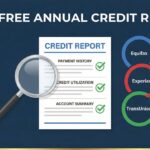
Quick Summary: Getting Your Free Annual Credit Report
- Who is eligible: Every U.S. consumer is entitled to one free credit report per year from each of the three major bureaus.
- Where to get it: The only federally authorized source is AnnualCreditReport.com.
- What it costs: Completely free — no credit card required.
- How often: Once per year from each bureau (Equifax, Experian, TransUnion); currently available weekly due to a pandemic-era extension.
- Why it matters: Errors on your credit report can lower your score and affect loan approvals, interest rates, and even employment.
Your credit report is one of the most important financial documents you will ever review — yet most people have never looked at theirs. In the United States, federal law gives every consumer the right to access a free copy of their credit report from each of the three major credit bureaus once every twelve months. Knowing how to access, read, and act on this report is a foundational financial skill, particularly if you are planning to apply for a debt consolidation loan, mortgage, or any other form of credit.
To secure your free annual credit report, visit the authorized website and follow the simple steps provided. It is essential to utilize this opportunity to keep track of your financial health.
What Is a Credit Report and Why Does It Matter?
A credit report is a detailed record of your borrowing history. It includes information about every credit account you have opened, your payment history on those accounts, the balances you currently carry, any public records such as bankruptcies or judgments, and a list of recent inquiries made by lenders when you applied for credit.
Lenders use your credit report — along with the credit score derived from it — to assess how likely you are to repay a loan. A report with errors, outdated negative information, or signs of identity theft can artificially lower your score and cost you thousands of dollars in higher interest rates over the life of a loan. Reviewing your report regularly is the only way to catch and correct these problems before they affect a major financial decision.
Where to Get Your Free Annual Credit Report
Obtaining your free annual credit report is straightforward. The process is designed to ensure that you can manage your credit effectively and understand your financial standing.
The only website authorized by the U.S. federal government to provide free annual credit reports is AnnualCreditReport.com. This site was created jointly by Equifax, Experian, and TransUnion in compliance with the Fair Credit Reporting Act (FCRA). There is no charge, and you do not need to provide a credit card number.
Be cautious of impostor sites. Websites with similar-sounding names are not the official source and may charge fees or enroll you in subscription services. Always go directly to AnnualCreditReport.com or call 1-877-322-8228.
Remember to check your free annual credit report regularly for any inaccuracies that could impact your credit score.
How Often Can You Access Your Report for Free?
Under the FCRA, you are entitled to one free report per bureau per year — meaning three reports in total annually. Since the COVID-19 pandemic, the three bureaus have extended free weekly access through AnnualCreditReport.com. A practical strategy is to stagger your requests — pulling one bureau’s report every four months — so you have a rolling view of your credit throughout the year.
By accessing your free annual credit report, you can stay informed about your credit status and take necessary actions if needed.
Step-by-Step: How to Request Your Free Credit Report
-
- Visit AnnualCreditReport.com directly in your browser.
You can easily access your free annual credit report online by visiting the official site.
-
- Select the bureaus you want to request from. You can request all three at once or stagger them.
- Verify your identity by providing your name, address, Social Security number, and date of birth.
- Review your report online or download a PDF copy for your records.
- Dispute any errors directly with the bureau that reported the incorrect information.
If errors are found in your free annual credit report, it’s crucial to dispute them promptly to maintain an accurate credit profile.
What to Look for When Reviewing Your Report
Checking your free annual credit report helps you verify that all personal information is correct and up to date.Make sure to analyze the account history section of your free annual credit report for any discrepancies.Your free annual credit report should reflect accurate balances to avoid any confusion regarding your financial obligations.Inquiries listed in your free annual credit report can affect your credit score, so ensure they are legitimate.
| Section | What to Check | Red Flags |
|---|---|---|
| Personal Information | Name, address, employer | Unfamiliar addresses or names (possible identity theft) |
| Account History | Open/closed accounts, balances, payment history | Accounts you do not recognize; disputed late payments |
| Public Records | Bankruptcies, judgments, liens | Records that are outdated or inaccurate |
| Inquiries | Hard and soft credit pulls | Hard inquiries from lenders you never applied to |
How to Dispute Errors on Your Credit Report
If you find an error, you have the right to dispute it. Each bureau has an online dispute portal. Bureaus are required by law to investigate disputes within 30 days. If the information cannot be verified, it must be removed. If you believe a lender or bureau has violated your rights under the FCRA, you can submit a complaint to the Consumer Financial Protection Bureau (CFPB).
When disputing errors in your free annual credit report, be sure to follow the correct procedures established by the bureaus.
How Your Credit Report Connects to Debt Consolidation
If you are considering a debt consolidation loan, reviewing your credit report first is an essential step. Reviewing your report before you apply gives you the opportunity to dispute errors, understand your current standing, and identify which debts are dragging your score down. For a full walkthrough of how consolidation affects your credit over time, see our guide on how debt consolidation can improve your credit score. For a beginner’s overview of the consolidation process itself, start with How Debt Consolidation Loans Work: A Beginner’s Guide.
Understanding your free annual credit report is critical before applying for any loans to ensure you are making informed decisions.
How to Get Your Free Credit Report: Canada vs. the United States
The process for obtaining a free credit report differs significantly between Canada and the United States. Understanding these differences ensures you are using the correct, official channels and not inadvertently paying for something that is available to you at no cost.
The differences in accessing a free annual credit report between countries highlight the importance of knowing your rights.
Free Credit Reports in Canada
Canada has two national credit bureaus: Equifax Canada and TransUnion Canada. Unlike the United States, there is no single government-authorized website for accessing your reports. Instead, you request directly from each bureau, and there is no annual limit — you may request your report as often as you wish.
Both bureaus offer free online access to your full credit report, updated monthly. You may also request by mail (with two pieces of ID), by phone, or in person at a bureau office. One important nuance: while the credit report is free, your credit score may not always be included at no cost unless you live in Quebec or use a third-party service such as Credit Karma. Requesting your own report does not affect your credit score.
Free Credit Reports in the United States
Your free annual credit report can help you monitor your financial health and prevent identity theft.
In the United States, federal law guarantees every consumer access to one free credit report per year from each of the three major bureaus: Equifax, Experian, and TransUnion. The only government-authorized source is AnnualCreditReport.com. Many look-alike websites exist that charge fees — always use the official site.
Reports can be requested online, by phone, or by mail. During certain periods (such as the post-pandemic era), the bureaus have offered free weekly access. Credit scores are not included in the free report by default.
Utilizing your free annual credit report is a proactive way to manage your financial affairs.
Key Differences at a Glance
| Feature | Canada | United States |
|---|---|---|
| Number of bureaus | 2 (Equifax, TransUnion) | 3 (Equifax, Experian, TransUnion) |
| Free report frequency | Unlimited (varies by method) | Once per year per bureau |
| Free online access | Yes (directly via each bureau) | Yes (via AnnualCreditReport.com only) |
| Free credit score included | Sometimes (Equifax monthly; Credit Karma) | Not included by default |
| Government-authorized site | None — request directly from bureaus | AnnualCreditReport.com |
For Canadian readers, the key takeaway is to check both bureaus regularly, since lenders may report to one and not the other. For U.S. readers, always use AnnualCreditReport.com exclusively — it is the only site authorized by federal law, and using it will never result in a charge.
Always remember to access your free annual credit report to stay informed about your credit status.
Frequently Asked Questions
What is the difference between a credit report and a credit score?
A credit report is a detailed history of your borrowing and repayment activities. A credit score is a single three-digit number (like a FICO or VantageScore) that summarizes the risk of lending to you, based on the information in your report. Your free annual report shows your history, but the score is usually a separate, paid product.
How long does it take to fix an error on my credit report?
Under the FCRA, the credit bureaus generally have 30 to 45 days to investigate and resolve a dispute after you file it. The process involves them contacting the creditor that supplied the information to verify its accuracy. If the creditor confirms the error or does not respond, the bureau must remove the item.
Should I pay for a credit monitoring service?
For most people, it is not necessary. Between free annual reports, free scores from your credit card provider, and the ability to place free fraud alerts or credit freezes, you can monitor your own credit effectively at no cost. Paid services are often expensive and offer services you can perform yourself for free.
What should I do if I am denied credit based on my report?
If you are denied credit, a loan, or even insurance, the lender must provide you with an “adverse action notice.” This notice tells you which credit bureau’s report was used and informs you of your right to request a free copy of that specific report within 60 days.
What is the difference between a fraud alert and a credit freeze?
A fraud alert is a notice on your report that requires lenders to take extra steps to verify your identity before opening new credit. It lasts for one year. A credit freeze is more restrictive — it locks your report entirely, preventing any new creditors from accessing it until you lift it. Both are free services available from all three bureaus.
What information is NOT included in my credit report?
Your credit report does not contain information about your race, religion, national origin, marital status, political affiliation, medical history, or criminal record. It is focused solely on your financial history with credit and debt.
Does requesting my own credit report hurt my score?
No. Requesting your own credit report is a “soft inquiry” and has no effect on your credit score.
Is AnnualCreditReport.com safe?
Yes. It is the only federally mandated free credit report service, regulated under the FCRA.
Can Canadians access their credit reports for free?
Yes. In Canada, Equifax and TransUnion both offer free annual credit reports. Equifax also offers free online access.
Every debt situation is unique. If you’d like a one-on-one consultation with Bruce Creighton, CPA — with 35 years of financial experience — to review your credit report and debt consolidation options, contact us here.
Leave a Reply